 Shiki

Dandivine
Juuоu Mujin Dandivine
TL;DRToo Long; Didn't Read
A toy-commercial mecha anime that can't decide what it wants to be.
- Twenty years after a giant robot saved the city, the monsters come back, and a kid everyone calls boring has to pilot it.
- The setup is clever and the ending is a banger, but the human cast is boring, the art is stiff and every fight happens in an empty arena.
Overall2/10
Story
Dandivine starts with a genuinely fun idea and turns it into the dullest mecha anime of… all time, which is a real shame.
Twenty years ago, the combining robot Dandivine saved the city from monsters called Aposdolls. Peace has turned the old pilot into a washed-up uncle living off past glory, and the company that sells Dandivine toys is struggling. Then the Aposdolls return, and Gekiha, a teenager known mainly for being dull, becomes the new pilot. There is a clever idea underneath it all, that the adults on both sides secretly miss their glory days, but the show rarely does anything with it.
The series was made for Good Smile Company’s 25th anniversary to launch a new line of mecha toys, and it shows. After the opening episodes it settles into a monster-of-the-week routine with very little happening between fights.
Characters
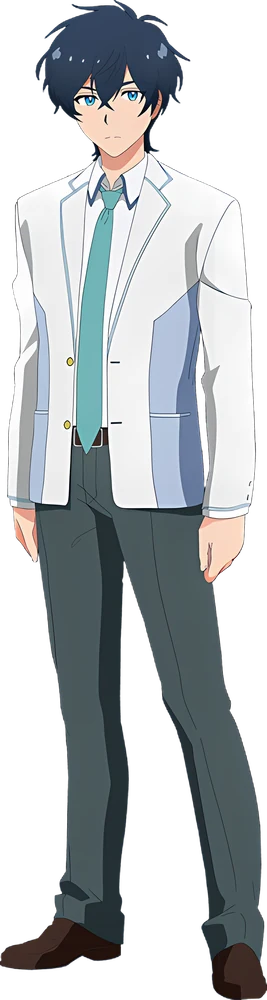
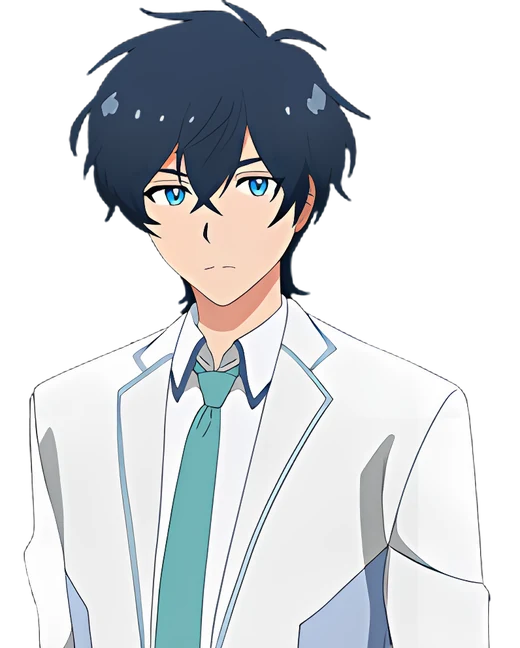
Gekiha Shijima
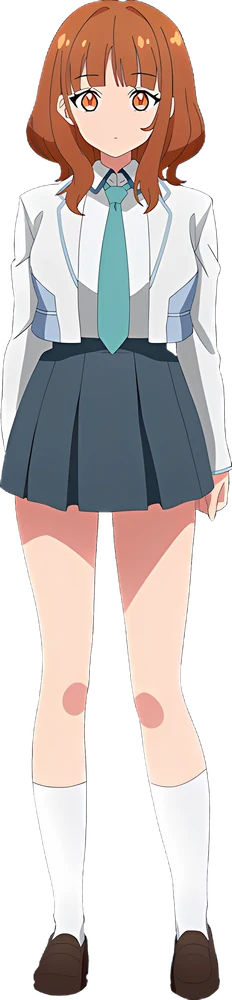
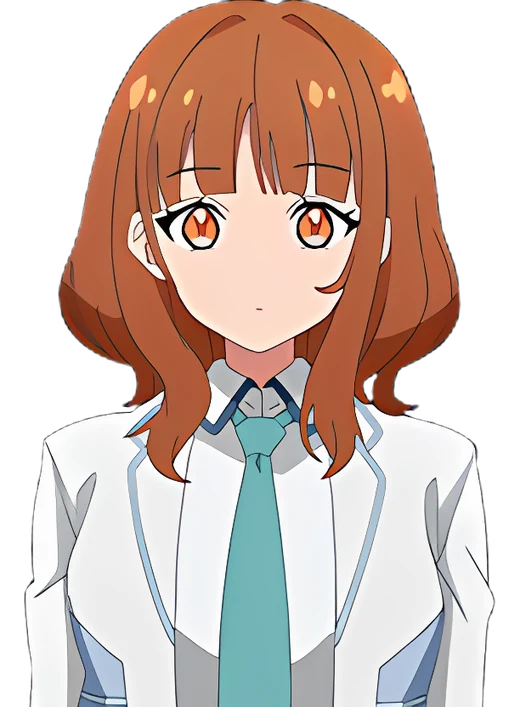
Akane Kuzumi
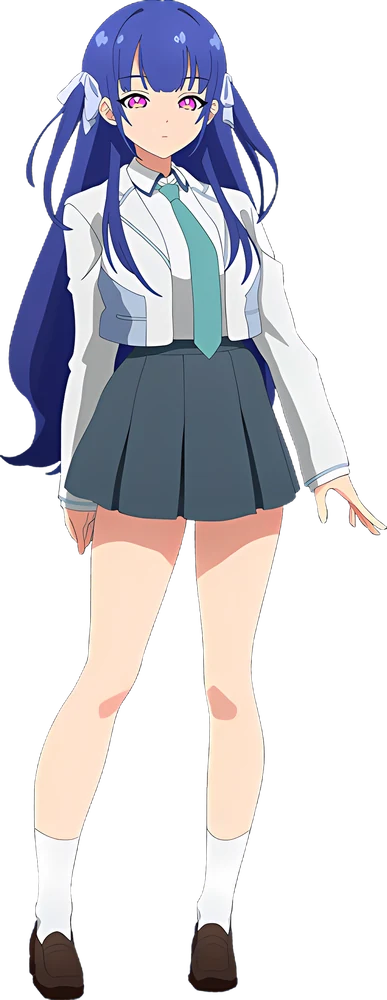

Kirei Shijima
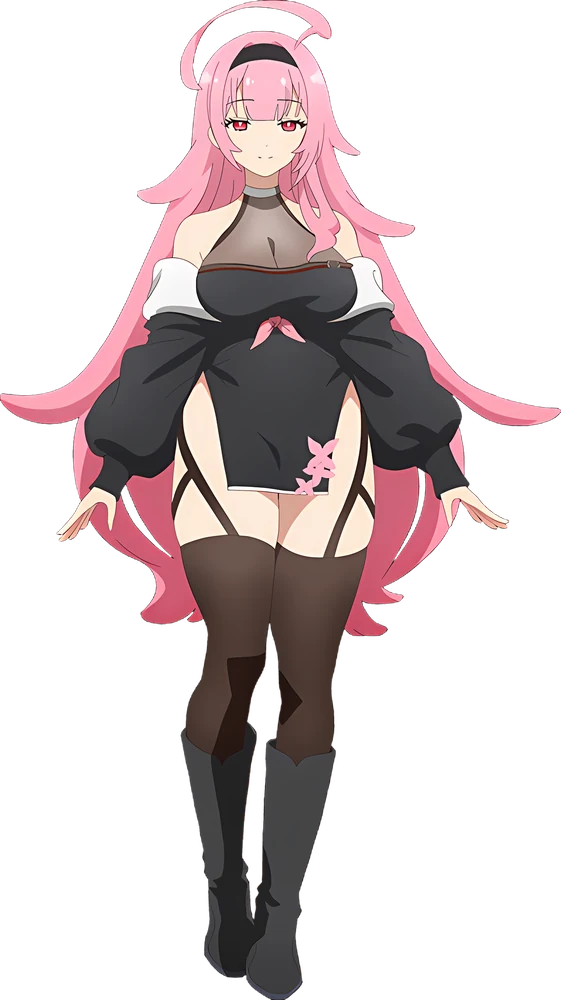

Haru
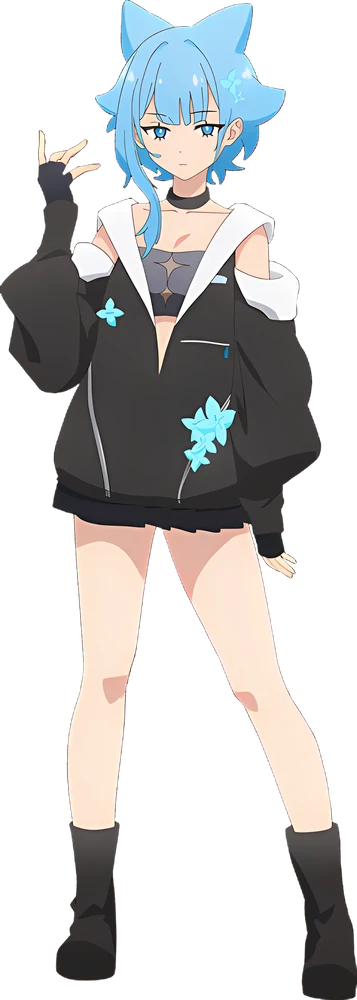
Natsu
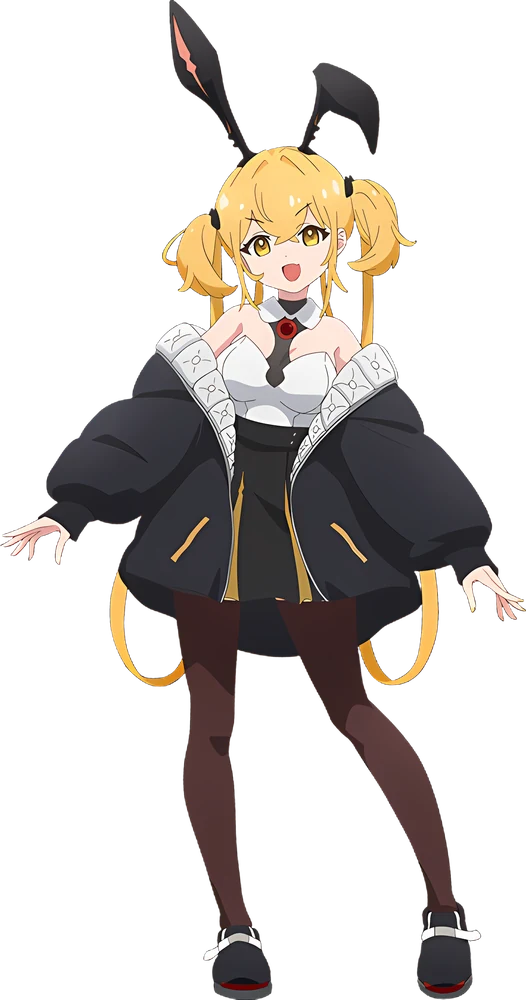
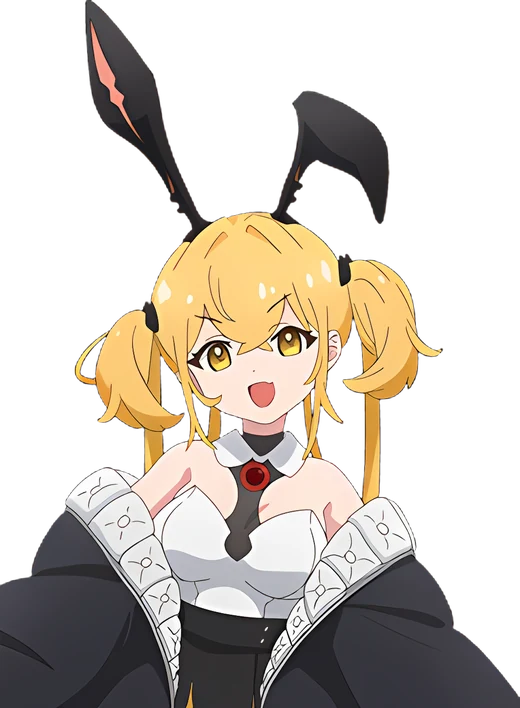
Aki
This is where it falls apart. Gekiha is dumped by his girlfriend almost immediately and spends much of the show pining for her, while she falls for the mysterious Dandivine pilot (him, of course) and keeps calling the real Gekiha boring. The uncle is meant to be the mentor but spends most of his time drinking and getting free meals. The pilot of the second robot, Gold Lios, is so full of himself that he ends up even less interesting than the boy everyone calls boring.
The most entertaining characters are the three villain girls, a classic bumbling trio who get more screen time in the ending than in the episodes themselves. Gekiha’s loud family and the best friend who nearly gives away his secret every week are fun as well.
Art & Animation
The art direction is the biggest problem. The human characters barely move, half the opening is the same combining sequence shown in every episode, and an early episode even reuses a scene from the one before it. Worst of all, every fight moves to an empty, featureless arena, so the robots have nothing around them to make the battles feel big.
Sound
Openings
- OP1Zankyou≠Blaster (残響≠ブラスター)by Takanori Nishikawa (西川 貴教)
Endings
- ED1Mikansei Ordinary (ミカンセイオーディナリー)by DayRe:
The opening by Takanori Nishikawa, produced over a Teddyloid track, is a small highlight, neither too good nor too bad. The ending is an idol song performed by the three villain girls, which is honestly very good, and it gives them more personality than the episodes do. The voice cast does what it can, but the script gives them little to work with, and Gekiha is deliberately written to be flat.
Enjoyment
Every episode feels like it is just waiting to end. So yeah, complete garbage.
Conclusion
It is hard to say who this is aimed at. Kids won’t connect with these characters, and mecha fans won’t find much in the fights. For mecha this season, Vertex Force is the better choice.