 Shiki
The Exiled Heavy Knight Knows How to Game the System
Tsuihou Sareta Tensei Juukishi wa Game Chishiki de Musou Suru
TL;DRToo Long; Didn't Read
A game-world fantasy whose hyperactive animation is either a feast for the eyes or a headache, depending on who you ask.
- Disowned for getting the "weakest" class, Elymas uses his knowledge of the world, a game he has played to death, to make the class broken.
- The game mechanics are surprisingly detailed and the fights look wild, but long recaps and reused scenes drag every episode out.
Overall6/10
Story
The Heavy Knight is supposed to be the weakest class in this world, so weak that Elymas’s own family disowns him the moment he receives it. The joke is on them: Elymas knows this world inside out from a game he played to death, and he knows exactly how to turn the “worst” class into something broken.
The opening stretch follows the familiar Shield Hero pattern. Where it stands out from most game-world anime is the game detail itself: combos, equipment stats and drop rates get as much attention as in Shangri-La Frontier, and watching Elymas outplay everyone with knowledge alone, Overlord-style, is the main appeal.
The series began in summer and runs for two cours, so its second half is airing now, with a new opening and ending.
Pacing
Nearly every complaint about this anime starts here. Each episode spends a large share of its runtime recapping the last one, reusing shots and replaying flashbacks, and some episodes contain only a few minutes of new story. The problem isn’t that the story is slow, it is that the same material keeps repeating. Many viewers who dropped it point to the manga instead, and that advice is hard to argue with.
Characters
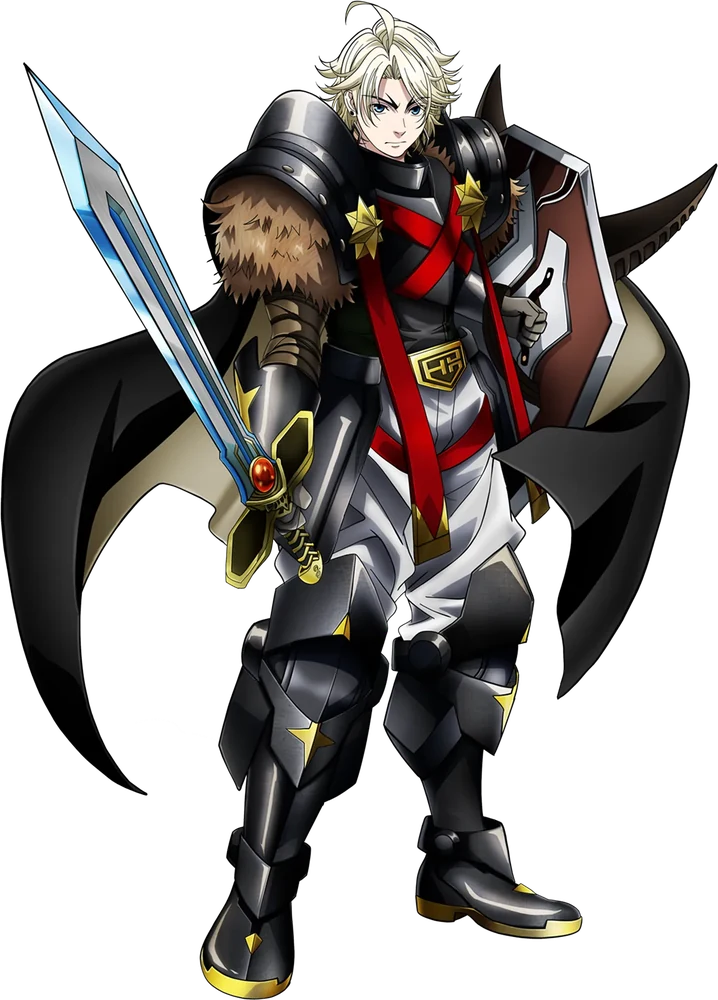

Elymas Edvan


Luce Rubis

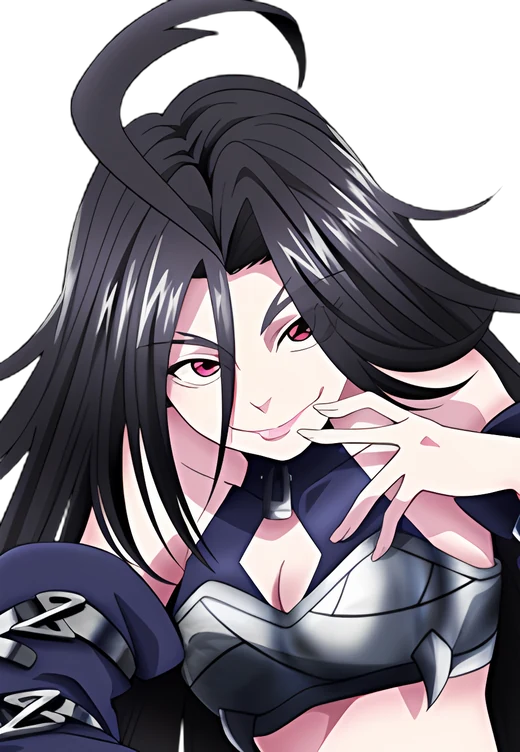
Maris Edvan
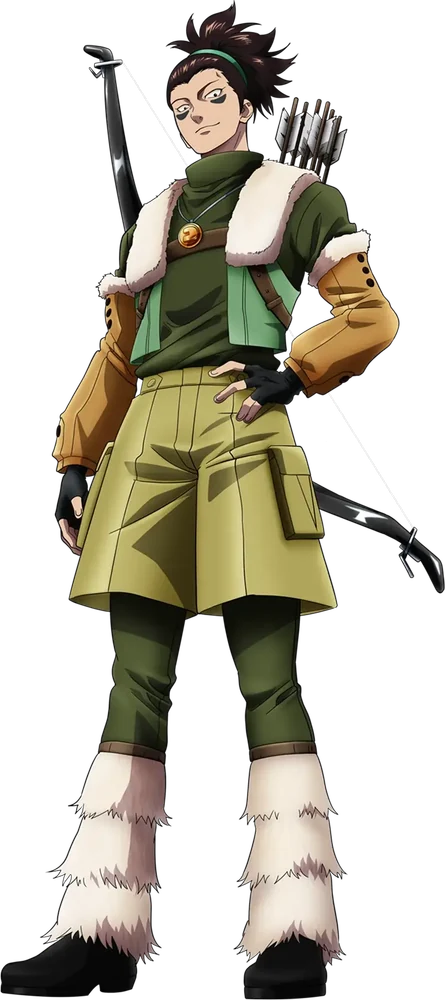

Ares
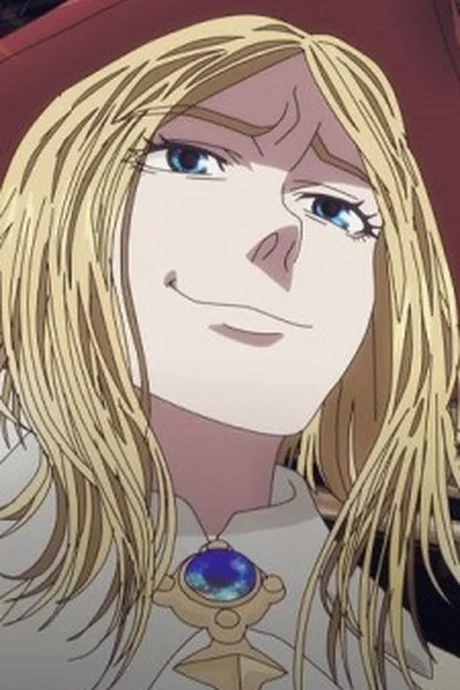
Teal
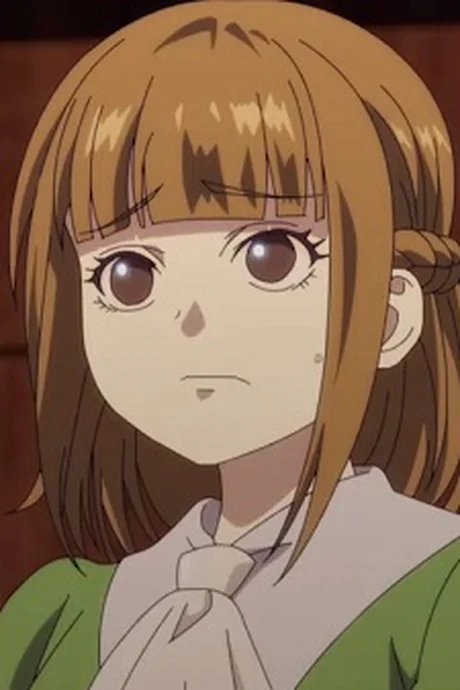
Uketsuke-jou
Elymas is confident without being smug, and Luce has one of the best character designs in any isekai right now. The core cast is very small, though, which makes things feel repetitive over time. Everyone is also extremely dramatic, which is often unintentionally funny.
Art & Animation
GoHands, the studio behind K and Hand Shakers, makes this the most divisive-looking anime of the year. Nothing ever stops moving: hair ripples constantly, the camera swoops around every fight, and even background townsfolk are fully animated. In battle it can look spectacular, and some fights are more dynamic than anything else in fantasy anime right now. But the CGI backgrounds clash badly with the ultra-detailed characters, and some viewers report motion sickness from the camera work. It is a love-it-or-hate-it style.
Sound
Openings
- OP1Awakeby SPYAIReps 1-13
- OP2Rewrite the Answerby Towa Tokoyami (常闇トワ)eps 14-
Endings
- ED1Lv.1 Shokugyou: Ningen (Lv.1 職業:人間)by ReoNaeps 1-13
- ED2Contemporary Dance (コンテンポラリーダンス)by PompadollSeps 14-
The soundtrack comes from Ludvig Forssell, the composer of Death Stranding, and the sound design is one of the show’s real strengths: the fights sound as big as they look. SPYAIR’s opening and ReoNa’s ending covered the first half (even ReoNa’s fans rank it below her best work), and the second half brings new songs by Towa Tokoyami and PompadollS. Shion Wakayama’s Luce is the standout performance and a fan favourite.
Enjoyment
It is an odd watch. At its best, seeing the supposedly useless class become something nobody expected is great fun, and the fights are among the flashiest of the year. At its worst, it is five minutes of recap.
Conclusion
Not an anime of the year contender, but a decent pick for fans of overpowered MCs who win through game knowledge, as long as GoHands’ style doesn’t put them off. If the recaps become too much, the manga tells the same story faster.